
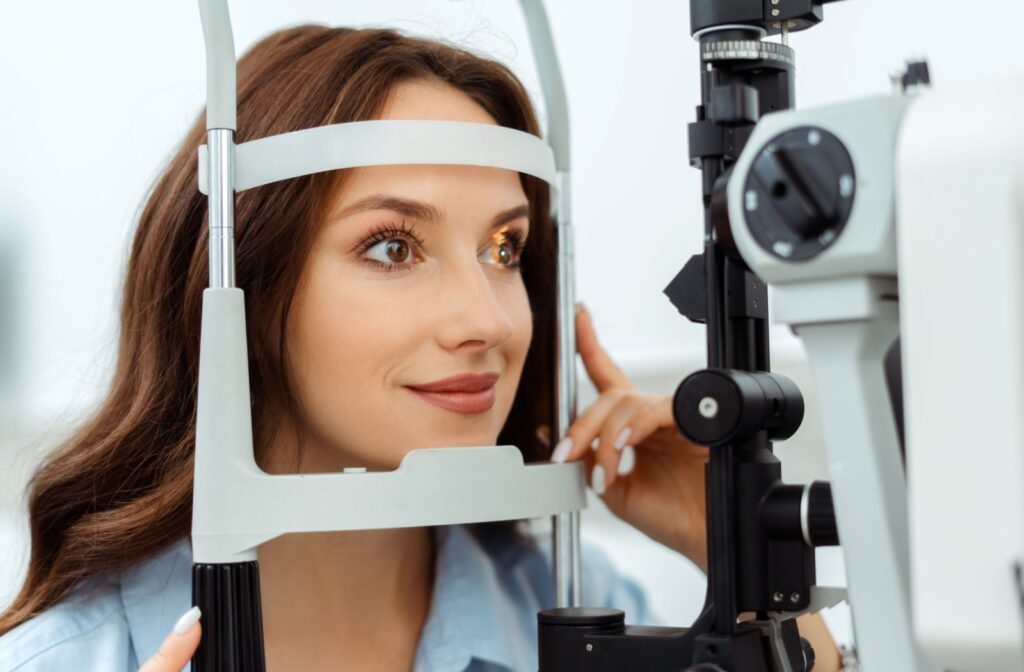
A lot of people think an eye check is just reading letters off a chart—but a full eye exam is way more than that. It’s one of the easiest ways to check not only how clearly you see but also the health of the entire eye. For many people, it’s the only time early signs of diseases like glaucoma, diabetes-related changes, or high blood pressure can show up before symptoms ever start.
If you’re planning your next checkup with Dr. Amit Jain, a leading Ophthalmologist in Dubai here’s a clear, friendly guide showing exactly what happens during a comprehensive eye exam and why these appointments matter more than most people realize.
What Makes a Comprehensive Eye Exam Different?
A basic screening checks vision. A comprehensive exam checks vision + eye health + hidden diseases.
This is why specialists around the world (including the American Academy of Ophthalmology recommend full eye exams at routine intervals.
Step-by-Step: What to Expect During Your Eye Exam
Below is a simple breakdown of each stage, written in a way that makes the whole process feel easy and predictable.
1. Medical & Vision History
Your doctor starts by understanding:
- Current vision problems
- Past eye issues
- Family history (glaucoma, AMD, diabetes, etc.)
- General medical history
This helps guide the rest of the exam.
2. Visual Acuity Test (Reading the Chart)
This is the classic “read the letters” test.
It measures the sharpness of your vision using:
- Distance chart
- Near vision card
It gives the baseline for what you see with each eye.
3. Refraction Test (Finding Your Exact Prescription)
Here, the doctor uses a phoropter—yes, the big device with many lenses.
You’ll hear:
“Which looks clearer, 1 or 2?”
This step determines:
- Glasses power
- Contact lens power
- If vision changes are due to cataract or refractive error
4. Eye Muscle & Coordination Testing
The doctor checks how well your eyes work together.
Weak muscles or coordination issues may cause:
- Eye strain
- Double vision
- Headaches
5. Eye Pressure Measurement (Tonometry)
This test screens for glaucoma, a sight-threatening disease that often has no early symptoms.
Eye pressure is checked quickly and comfortably.
6. Visual Field Testing (Peripheral Vision)
This assesses how wide your visual field is.
Loss of side vision is often an early sign of:
- Glaucoma
- Neurological conditions
7. Slit-Lamp Examination
This microscope allows your doctor to see:
- Eyelids
- Cornea
- Lens
- Iris
- Anterior chamber
Conditions detected here include:
- Cataracts
- Dry eye
- Corneal disease
- Infections or inflammation
8. Dilated Eye Exam (Most Important Step)
Drops gently enlarge your pupils so the doctor can view the entire retina.
This step detects early signs of:
- Macular degeneration
- Retinal tears
- Diabetic retinopathy
- Hypertension-related changes
WHO reports that most vision loss is preventable when caught early.
9. Advanced Imaging (If Needed)
Technology may include:
- OCT scans for macula & optic nerve
- Retinal photographs
- Wide-field imaging
- Topography for corneal mapping
These show microscopic details invisible during a manual exam.
Why Comprehensive Eye Exams Matter So Much
Early Disease Detection
Many diseases show no symptoms early on:
- Glaucoma
- Diabetic retinopathy
- Hypertensive retinopathy
- Age-related macular degeneration
A full exam can catch them early—when treatment works best.
Protecting Vision Long-Term
Even small refractive changes can impact daily life.
A proper exam ensures you get:
- Accurate glasses or contact lens prescription
- Monitoring for cataract progression
- Updates on overall eye health
Eye Exams Can Detect Systemic Conditions
This is what surprises most people.
An eye exam can reveal:
- Diabetes
- High blood pressure
- High cholesterol
- Autoimmune diseases
- Even signs of neurological disorders
Your retina is the only place in the body where blood vessels can be seen non-invasively.
Comprehensive Eye Exam vs. Basic Screening
| Feature | Basic Screen | Comprehensive Exam |
|---|---|---|
| Checks visual clarity | ✔ | ✔ |
| Detects diseases | ✖ | ✔ |
| Measures eye pressure | ✖ | ✔ |
| Dilated exam | ✖ | ✔ |
| Includes advanced imaging | ✖ | Optional |
| Detects retinal disease | ✖ | ✔ |
| Full prescription | Sometimes | Always |
How Often Should You Get a Full Eye Exam?
- 18–39 years: Every 2 years
- 40–64 years: Every 2–4 years
- 65+ years: Every 1–2 years
- High-risk (diabetes, glaucoma, family history): Every year
Common Questions People Ask
How long does a comprehensive eye exam take?
Usually 20–45 minutes, depending on whether dilation and imaging are needed.
Does a dilated eye exam hurt?
No. You may feel mild stinging when drops go in.
Can an eye exam detect diabetes?
Yes—retina changes often show diabetic signs before symptoms appear.
Do I need an eye exam every year?
If you’re over 40 or have risk factors, yearly exams are recommended.
Is a comprehensive eye exam safe during pregnancy?
Yes. Your doctor may avoid dilation unless necessary.
Why Choose Dr. Amit Jain for Eye Exams in Dubai?
Here’s what patients appreciate about care at his clinic:
- Expertise in diagnosing early retinal, corneal, and glaucoma changes
- Modern imaging (OCT, wide-field imaging, corneal mapping)
- Clear explanations in simple language
- Comfortable testing with minimal waiting
- Strong patient trust across Dubai
To book your visit with the
👉 Best Eye Specialist in Dubai | Ophthalmologist in Dubai
Ready for Your Eye Exam?
If you’ve noticed vision changes—or it’s simply been a while—this is the right time to schedule your full eye check. Early detection protects lifelong vision, and a comfortable, easy exam is the first step.
Final Takeaway
Eye exams don’t just tell you if you need glasses. They give a detailed look at your vision, retina, optic nerve, blood vessels, and even hidden health problems you may not feel yet. A yearly or bi-yearly checkup is one of the simplest ways to protect lifelong eyesight and detect conditions early.
Additional FAQs
Do I need to bring anything to an eye exam?
Bring your glasses, medication list, and any previous eye reports.
Can kids get a full eye exam?
Yes—children benefit from early checks to catch lazy eye or refractive errors.
Will dilation affect driving?
You may experience blur for 2–4 hours; avoid driving if possible.
What is the most important part of the exam?
The dilated retinal exam—it shows the health of the entire eye.
Can stress or screen time change my prescription?
It can cause strain but doesn’t usually change the prescription itself.