
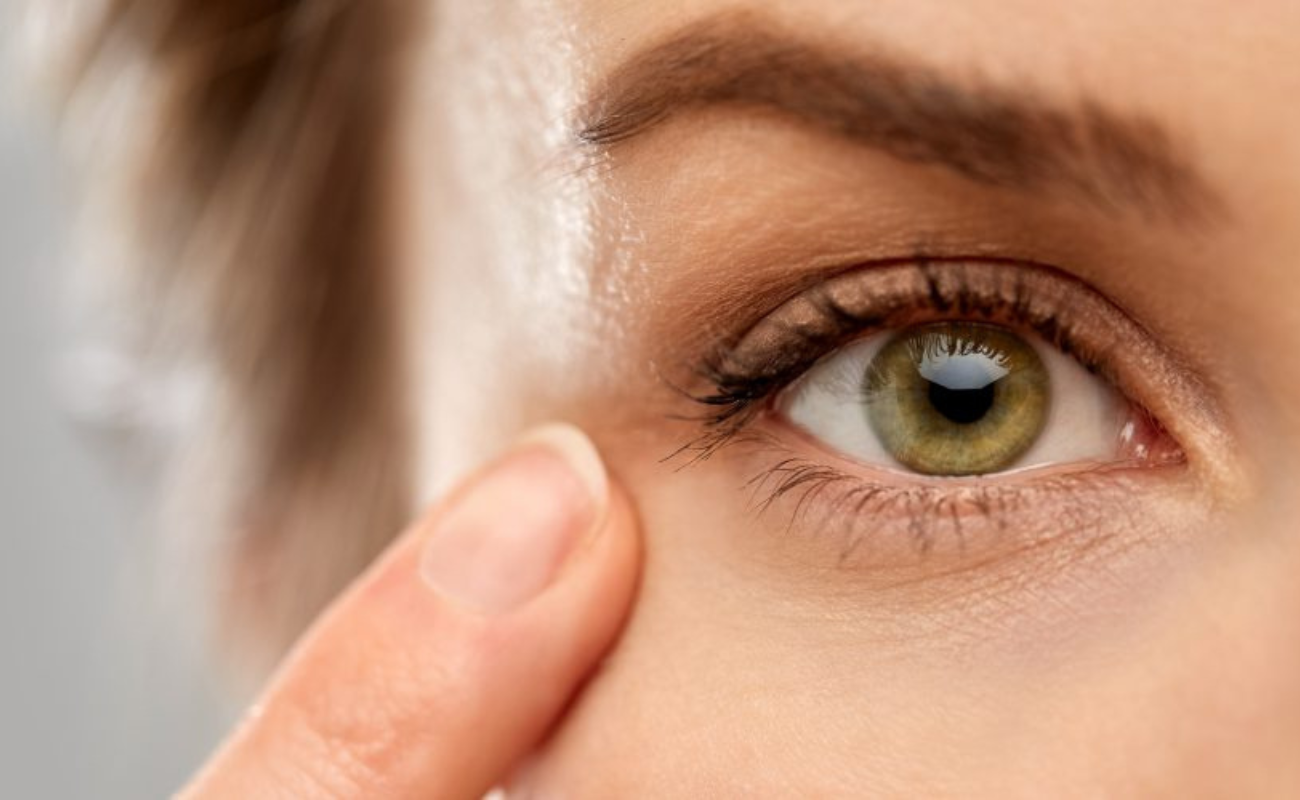
If you’ve ever searched online about cataracts, you’ve probably come across a flood of conflicting advice. Some say surgery is risky, others suggest waiting as long as possible, and a few even claim eye drops can cure cataracts. Sounds confusing, right? The truth is, many of these so-called “facts” are actually myths—and some of them can seriously harm your vision if you believe them.
At Dr. Amit Jain’s clinic, a trusted name for Cataract Surgery In Dubai, patients often come in with fears rooted in misinformation. These myths don’t just create anxiety—they delay treatment, worsen vision, and sometimes lead to avoidable complications. Let’s break down the most dangerous myths about cataract surgery and uncover the reality behind them.
Understanding Cataracts and Their Impact
What Exactly Is a Cataract?
A cataract is essentially the clouding of the eye’s natural lens. Imagine looking through a foggy window—that’s how your vision becomes over time. It doesn’t happen overnight; instead, it gradually worsens, making everyday tasks like reading, driving, or even recognizing faces difficult.
According to the Prevent Blindness organization, cataract surgery has a success rate of over 98% globally, making it one of the safest medical procedures today. Yet, myths continue to hold people back from seeking timely care.
How Cataracts Affect Daily Life
Cataracts don’t just blur your vision—they slowly steal your independence. Colors appear faded, night driving becomes risky, and even simple tasks feel frustrating. Ignoring symptoms due to myths can turn a manageable condition into a serious limitation.
Myth #1: Cataract Surgery Is Risky or Dangerous
The Reality of Modern Cataract Surgery Safety
This is one of the most common and harmful misconceptions. Many people assume that eye surgery must be dangerous—but that’s far from reality. Modern cataract surgery uses advanced techniques like phacoemulsification, which is minimally invasive and highly precise.
Studies show a 98–99% success rate, with complications occurring in less than 2% of cases. When you delay surgery due to fear, you actually increase the risk of complications because the cataract becomes harder and more difficult to remove.
Myth #2: Cataracts Can Be Treated with Eye Drops
Why This Myth Can Harm Your Vision
Let’s be clear—there are no scientifically proven eye drops that can cure cataracts. While some products claim to dissolve cataracts, they lack clinical evidence.
Believing this myth often leads people to delay surgery, hoping for a non-surgical solution. Unfortunately, cataracts continue to worsen, making surgery more complex later. Think of it like ignoring a cracked windshield—it only gets worse with time.
Myth #3: You Should Wait Until Vision Is Completely Lost
The Risks of Delaying Surgery
This outdated advice used to apply decades ago when surgical techniques were less advanced. Today, waiting too long can actually make surgery more difficult and recovery slower.
Early intervention means:
- Easier procedure
- Faster recovery
- Better visual outcomes
Delaying surgery increases the chance of complications like lens hardening or inflammation. Why wait until your world turns blurry when a safe solution is available?
Myth #4: Cataract Surgery Is Painful
What Patients Actually Experience
Here’s the reality—cataract surgery is virtually painless. Local anesthesia is used, and most patients feel only mild pressure, not pain.
In fact, many patients are surprised by how quick and comfortable the procedure is. It usually takes 15–20 minutes, and you can go home the same day. The fear of pain often exists only in the mind, not in the actual experience.
Myth #5: You Will Still Need Glasses After Surgery
Advances in Lens Technology
While some patients may still use glasses for specific tasks, modern intraocular lenses (IOLs) have changed the game. Premium lenses can correct multiple vision problems, reducing or even eliminating the need for glasses.
According to the Alcon Eye Survey, dependence on glasses drops significantly after surgery, proving that vision improvement is real and measurable.
Myth #6: Cataracts Only Affect Older People
Cataracts are commonly associated with aging, but they’re not exclusive to older adults. Factors like diabetes, prolonged screen exposure, UV radiation, and even genetics can lead to early cataract formation.
Younger patients often ignore symptoms because they believe they’re “too young” for cataracts. This delay can worsen the condition unnecessarily.
Myth #7: Recovery Takes a Long Time
Modern cataract surgery offers quick recovery, often within a few days. Most patients notice improved vision within 24–48 hours.
You can resume normal activities quickly, with minimal restrictions. Compared to older surgical methods, recovery today is faster, smoother, and far more predictable.
Benefits of Early Cataract Treatment
Early treatment doesn’t just restore vision—it improves quality of life. You regain clarity, confidence, and independence. Tasks that once felt difficult become effortless again.
More importantly, early intervention reduces surgical risks and enhances outcomes. It’s like fixing a small problem before it turns into a major one.
When Should You See an Eye Specialist?
If you notice symptoms like:
- Blurry or cloudy vision
- Sensitivity to light
- Difficulty seeing at night
it’s time to consult a Best Eye Specialist in Dubai. Early diagnosis makes all the difference.
Why Choosing the Right Surgeon Matters
Cataract surgery may be common, but outcomes depend heavily on the surgeon’s expertise. A skilled Ophthalmologist in Dubai ensures accurate diagnosis, advanced treatment planning, and safe execution.
Experience, technology, and patient care all play a role in achieving the best results.
Why Choose Us for Cataract Surgery in Dubai
Choosing the right clinic isn’t just about treatment—it’s about trust. At Dr. Amit Jain’s practice, you get:
- 15+ years of specialized experience
- Advanced surgical technology
- Personalized patient care
- Proven track record of successful outcomes
If you’re searching for the Best Cataract Surgeon in Dubai, you’re in expert hands.
Call to Action – Take the First Step Toward Clear Vision
Don’t let myths control your decisions. Clear vision is closer than you think. Book your consultation today and take the first step toward a brighter, sharper world.
FAQs
1. Is Ortho-K FDA approved for kids?
Yes. Ortho-K lenses are approved and widely recommended for paediatric myopia control.
2. How safe is Ortho-K compared to daytime contacts?
Ortho-K has a similar safety profile—sometimes safer, since lenses aren’t worn during the day.
3. Can kids swim without glasses with Ortho-K?
Yes—that’s one of the biggest benefits.
4. What age is too young for Ortho-K?
Most doctors start around age 7, but maturity matters more than age.
5. Does Ortho-K cause permanent eye changes?
No. The effect is temporary and fully reversible.
6. Do Ortho-K lenses fall out during sleep?
Rarely. They fit securely and remain in place overnight.
7. How soon should parents start myopia control?
As soon as the child starts showing measurable progression.