
Secondary Cataracts
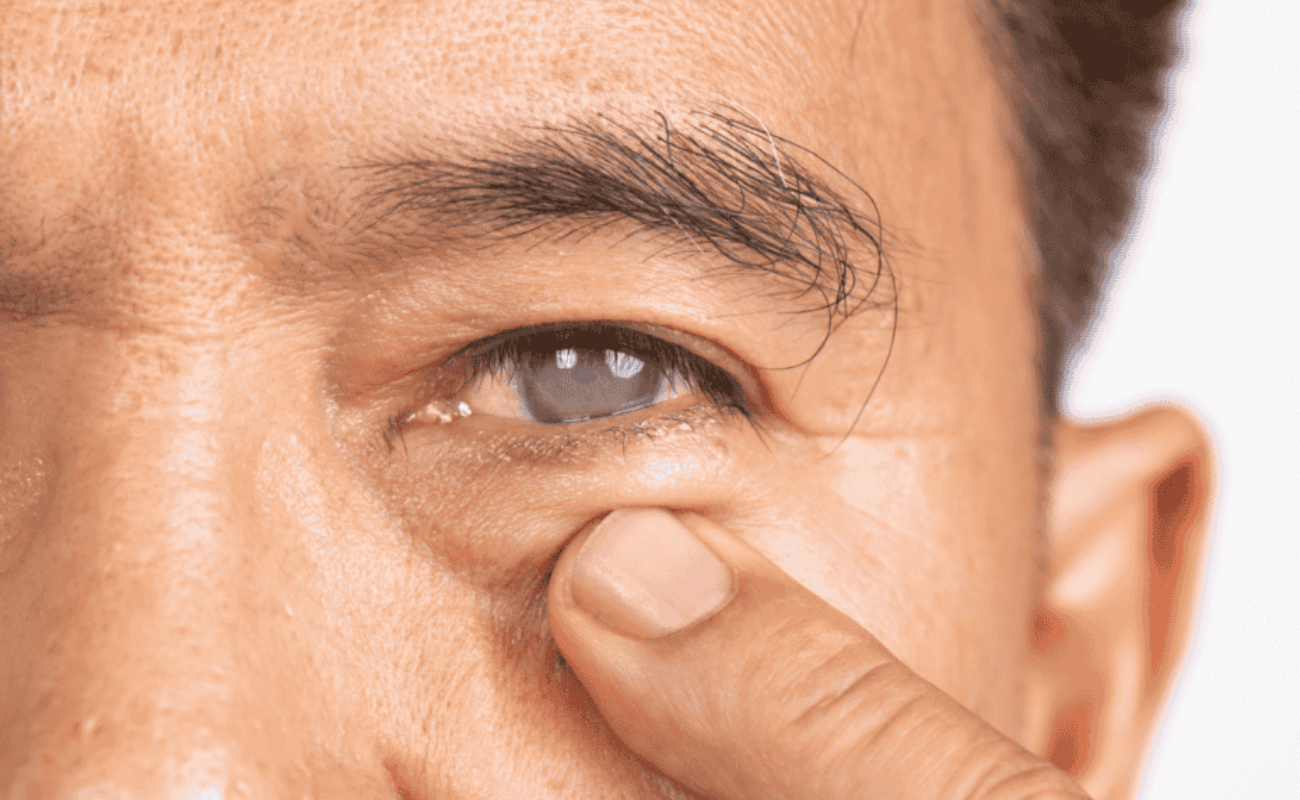
You finally had cataract surgery. Vision became clear again. Colors looked brighter. Life felt sharper. Then, slowly, something changes. The clarity fades. Things start looking hazy again. Sound familiar?
This is where many patients feel confused. Did the cataract come back? Was something missed during surgery?
If you’ve had cataract surgery in Dubai, especially under the care of experienced specialists like Dr. Amit Jain, it’s important to understand what’s really happening. Learn more about advanced care options through this
What Are Secondary Cataracts (Posterior Capsular Opacification)?
Secondary cataracts, medically called posterior capsular opacification (PCO), are not actually cataracts. That surprises most people.
During cataract surgery, the cloudy natural lens is removed, but a thin membrane (the lens capsule) is left behind to support the artificial lens. Over time, this capsule can become cloudy.
Think of it like a clear window slowly fogging up again.
Why It’s Not a True Cataract
- The original cataract does not return
- The artificial lens stays clear
- Only the supporting membrane becomes cloudy
According to the Cleveland Clinic PCO is one of the most common causes of blurred vision after cataract surgery.
How Common Are Secondary Cataracts?
This isn’t rare.
Studies show that 20% to 50% of patients may develop secondary cataracts within a few years after surgery.
Who Is More Likely to Develop It?
- Younger patients
- People with diabetes
- Complicated surgeries
- Certain types of lens implants
Modern surgical techniques have reduced the risk, but it hasn’t disappeared completely.
Causes of Cloudy Vision After Cataract Surgery
So, why does this happen?
After surgery, some cells remain inside the capsule. Over time, they multiply and create a cloudy layer.
Common Causes Include:
- Natural healing response
- Cell growth on the capsule
- Changes in the eye’s internal environment
It’s your body doing its thing—but in a way that affects vision.
Symptoms of Secondary Cataracts
The symptoms feel very similar to your original cataract.
Early Signs
- Slight blur
- Glare from lights
- Difficulty reading
Progressive Symptoms
- Cloudy or hazy vision
- Halos around lights
- Reduced contrast
- Trouble driving at night
Many people think, “My cataract is back.” But it’s actually PCO.
How Soon Can Secondary Cataracts Develop?
There’s no fixed timeline.
Typical Patterns
- Some people notice it within months
- Others may take years
Early vs Late Onset
- Early: Within 3–6 months
- Late: After several years
Every eye heals differently.
Diagnosis of Posterior Capsular Opacification
Diagnosis is simple and painless.
What Your Eye Doctor Does
- Checks vision clarity
- Uses a slit-lamp microscope
- Examines the capsule behind the lens
No complex tests needed. Just a careful eye exam.
Treatment Options for Secondary Cataracts
Here’s the reassuring part.
Secondary cataracts are easily treatable.
YAG Laser Capsulotomy
This is the standard treatment worldwide.
- No cuts
- No stitches
- No hospital stay
It’s quick and effective.
Step-by-Step: YAG Laser Procedure Explained
Before the Procedure
- Eye drops to dilate pupil
- Numbing drops applied
During Treatment
- Laser creates a small opening in the cloudy capsule
- Light passes through clearly again
Aftercare
- Takes about 5–10 minutes
- Vision improves quickly
It’s often described as simpler than the original surgery.
Is YAG Laser Treatment Safe?
Yes, it is considered very safe.
Success Rate
- Extremely high
- Immediate improvement in most patients
Possible Side Effects
- Mild floaters
- Temporary light sensitivity
- Rare pressure rise
Most effects settle quickly.
Recovery After YAG Laser Treatment
Recovery is fast.
What to Expect
- Clearer vision within hours or days
- Resume normal routine quickly
No long downtime. That’s a big relief for most patients.
Can Secondary Cataracts Come Back Again?
Good question.
The answer is no, not usually.
Once the cloudy capsule is opened, it does not grow back again. That’s why YAG laser is considered a one-time fix in most cases.
Prevention: Can You Avoid Secondary Cataracts?
You can’t fully prevent it, but you can reduce risk.
Helpful Factors
- Advanced lens implants
- Modern surgical techniques
- Regular follow-ups
Your surgeon’s experience plays a role too.
When Should You See an Eye Doctor?
Don’t wait if you notice:
- Vision getting blurry again
- Increased glare
- Difficulty with daily tasks
Early evaluation keeps things simple.
Why Choose Dr. Amit Jain for Cataract Care in Dubai
Dr. Amit Jain focuses on clear explanations, precise diagnosis, and patient-first care. His approach combines experience with modern technology to manage both cataracts and secondary vision changes effectively.
CTA: Regain Clear Vision Today
If your vision is getting cloudy again, don’t ignore it. A quick consultation can identify the cause and fix it early.
Clear vision may be just a simple laser treatment away.
FAQs
Q1. What are secondary cataracts?
Secondary cataracts are a cloudy layer that forms on the lens capsule after cataract surgery. They are not true cataracts, but can cause similar blurry vision symptoms.
Q2. How do I know if I have PCO?
If your vision becomes blurry again after surgery, especially with glare or halos, it could be posterior capsular opacification. An eye exam confirms it.
Q3. Is YAG laser painful?
No, the procedure is painless. Numbing drops are used, and most patients feel little to no discomfort during treatment.
Q4. How long does YAG laser take?
It usually takes 5–10 minutes. You can go home the same day and resume normal activities soon after.
Q5. Can secondary cataracts go away on their own?
No, they don’t clear naturally. However, treatment is quick and highly effective.
Conclusion
Secondary cataracts can feel frustrating, especially after successful surgery. But the good news is simple: they’re common, harmless, and easily treatable.
Understanding the condition removes fear. Acting early restores clarity.