
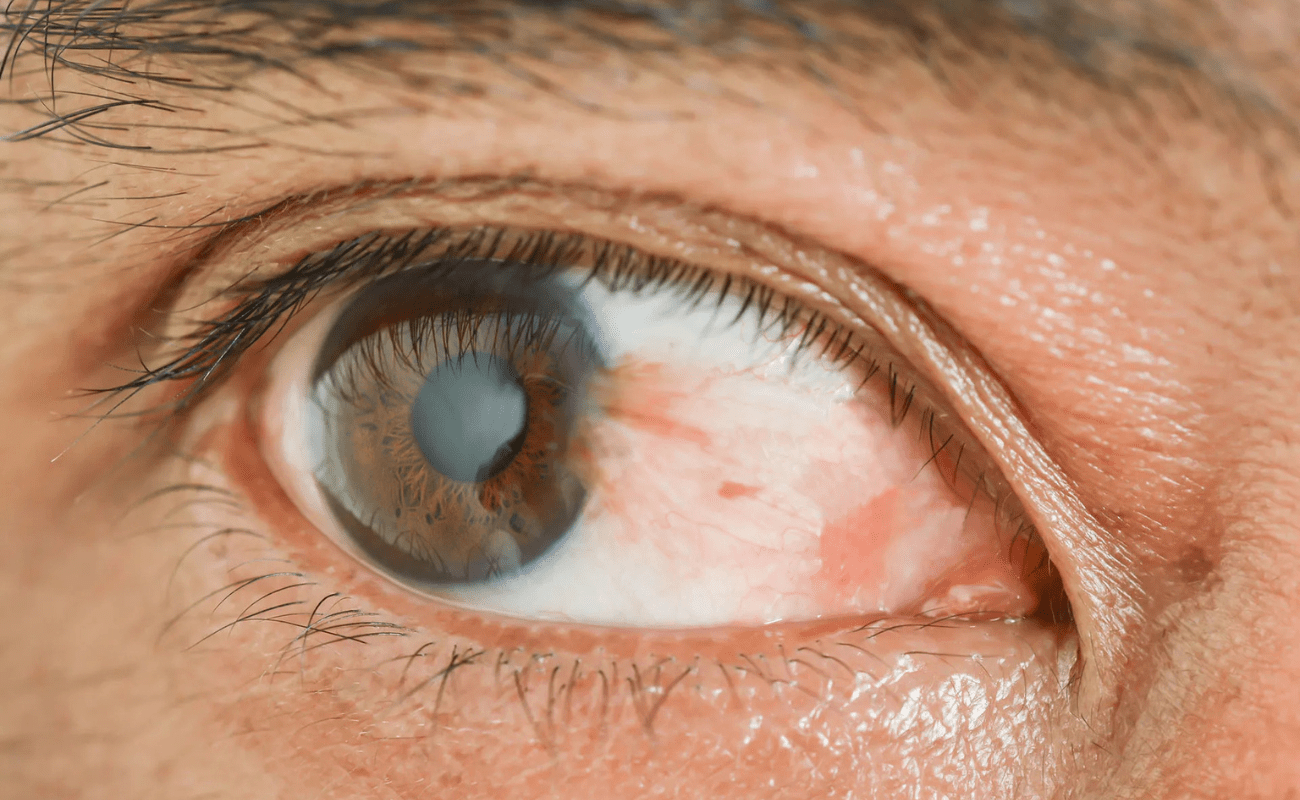
Cataract surgery is one of the most successful eye procedures in the world, often restoring sharp and vibrant vision within days. But what happens when your eyesight becomes blurry again months or even years later? Many patients worry that their original cataract has returned.
In reality, what most people call “secondary cataracts” is a condition known as posterior capsule opacification (PCO). This common complication can make your vision cloudy after cataract surgery and interfere with everyday activities like reading, driving, or recognizing faces. Fortunately, treatment is quick, painless, and highly effective.
If you are exploring options for cataract Dubai treatment or expert eye care, consulting an experienced ophthalmologist is essential.
What Are Secondary Cataracts?
Secondary cataracts refer to a cloudy membrane that develops behind the artificial lens implanted during cataract surgery. The medical term for this condition is posterior capsule opacification (PCO).
During cataract surgery, the natural cloudy lens is removed, but the thin capsule holding the lens remains in place to support the new artificial lens. Over time, residual lens cells may grow over this capsule, causing blurry or hazy vision after cataract surgery.
Is a Secondary Cataract a Real Cataract?
No, a secondary cataract is not an actual cataract.
A true cataract forms when the eye’s natural lens becomes cloudy. Since that lens is removed during surgery, it cannot grow back. Secondary cataracts simply mimic the same symptoms because the posterior capsule becomes cloudy.
Think of it like cleaning a window but later noticing fog forming on the glass behind it.
What Is Posterior Capsule Opacification (PCO)?
Posterior capsule opacification is considered the most common postoperative complication of cataract surgery. According to ophthalmic literature, around 20–30% of patients may develop PCO within 2–5 years after surgery.
The condition develops when leftover lens epithelial cells multiply and spread across the capsule, reducing the amount of light entering the eye clearly.
Authoritative information about PCO is available from the American Academy of Ophthalmology and the Cleveland Clinic.
Why Does Your Vision Get Cloudy Again After Cataract Surgery?
Several biological processes can contribute to cloudy vision after cataract surgery, including:
- Growth of residual lens cells
- Natural healing response of the eye
- Age-related cellular changes
- Inflammation after surgery
- Certain lens implant materials
The cloudy layer scatters incoming light, leading to vision that may resemble looking through frosted glass after cataract surgery.
How Common Are Secondary Cataracts After Surgery?
Secondary cataracts are very common.
Research shows that:
- About 1 in 5 patients may experience PCO within a few years
- Younger patients have a higher risk
- Pediatric cataract cases can develop PCO more rapidly
- Modern surgical techniques have reduced overall rates significantly
- Certain lens implant materials
Despite being common, the condition is highly treatable with a quick laser procedure.
Ortho-K for Adults
Some factors increase the likelihood of secondary cataracts:
Age
Younger patients tend to develop PCO faster because their cells regenerate more actively.
Diabetes
Metabolic conditions can affect healing and inflammation.
Eye Inflammation
Previous eye diseases may contribute to capsule clouding.
Surgical Factors
The type of intraocular lens used may influence risk levels.
Symptoms of Secondary Cataracts
Symptoms often resemble the original cataract and may gradually worsen.
Common Symptoms Include
- Blurry or hazy vision after cataract surgery
- Glare or halos around lights after cataract surgery
- Difficulty reading or driving after cataract surgery
- Reduced contrast sensitivity
- Cloudy or foggy vision months after cataract surgery
- Sensitivity to bright light
Many patients describe the experience as “watching the world through a foggy windshield.”
How Long After Cataract Surgery Can Secondary Cataracts Occur?
Secondary cataracts can develop.
- Within a few months
- One to two years later
- Even several years after surgery
There is no exact timeline because each eye heals differently.
How Secondary Cataracts Affect Daily Life
Cloudy vision can quietly interfere with everyday routines.
Patients may notice:
- Difficulty reading menus or phone screens
- Problems driving at night
- Increased glare from headlights
- Trouble recognizing faces
- Eye strain and frustration
Even mild PCO can reduce quality of life significantly.
Diagnosis of Secondary Cataracts
An ophthalmologist can diagnose PCO during a routine eye examination.
The doctor typically uses:
- Slit-lamp examination
- Visual acuity testing
- Retinal evaluation
Early diagnosis helps prevent worsening visual symptoms.
Treatment: YAG Laser Capsulotomy for Secondary Cataracts
The standard treatment for secondary cataracts is YAG laser capsulotomy.
This painless laser procedure creates a small opening in the cloudy capsule, allowing light to pass through clearly again.
Benefits of YAG Laser Treatment
- Quick outpatient procedure
- Usually completed within minutes
- No surgical incision
- Minimal discomfort
- Rapid visual improvement
The National Eye Institute provides additional educational information about cataract complications and laser treatment.
What Happens During a YAG Laser Procedure?
The procedure is simple and comfortable.
Step-by-Step Process
- Eye drops dilate the pupil
- The eye is numbed
- A laser targets the cloudy capsule
- A clear opening is created
- Vision often improves within hours or days
Most patients return home immediately afterward.
Recovery After YAG Laser Treatment
Recovery is generally fast and uncomplicated.
Patients may experience:
- Mild floaters for a few days
- Temporary light sensitivity
- Improved clarity quickly
Most individuals resume normal activities within 24 hours.
Can Secondary Cataracts Be Prevented?
Complete prevention is not always possible, but modern surgical methods help reduce the risk.
Preventive Measures Include:
- Advanced lens implant designs
- Precise surgical techniques
- Regular eye checkups
- Managing diabetes and inflammation
Routine follow-ups remain essential after cataract surgery.
When Should You See an Eye Specialist?
You should schedule an eye examination if you experience:
- Sudden blurry vision
- Increasing glare
- Difficulty reading
- Cloudy vision after cataract surgery
- Reduced night vision
Ignoring symptoms can delay effective treatment.
Benefits of Early Treatment
Early management of secondary cataracts can:
- Restore clear vision quickly
- Improve driving safety
- Reduce eye strain
- Enhance quality of life
- Prevent unnecessary anxiety
Prompt treatment often feels like “switching the lights back on.”
Call to Action
If your vision has become cloudy again after cataract surgery, do not ignore the signs. Early evaluation can identify whether posterior capsule opacification is affecting your eyesight.
Book a consultation today to explore effective solutions for secondary cataracts and restore clearer vision with advanced ophthalmic care.
Book Your Ortho-K Consultation Today
If you want freedom from glasses or are looking for a non-surgical myopia control solution for your child, Ortho-K may be the answer.
A professional eye examination can determine whether orthokeratology is suitable for your vision needs and lifestyle.
Explore more about keratoconus in dubai
Why Choose Dr. Amit Jain for Cataract Care in Dubai?
Choosing the right eye specialist matters when protecting your vision.
Why Patients Trust Dr. Amit Jain
- Extensive experience in advanced cataract procedures
- Personalized patient-focused care
- Modern diagnostic technology
- Expertise in managing complex eye conditions
- Comprehensive follow-up support
Learn more about the best cataract surgeon in Dubai and advanced eye care solutions available for clearer, healthier vision.
FAQs
Q1. Can secondary cataracts come back after laser treatment?
No. Once the cloudy capsule is opened with YAG laser capsulotomy, it usually does not grow back.
Q2. Is YAG laser capsulotomy painful?
The procedure is generally painless and performed using numbing eye drops.
Q3. How long does YAG laser treatment take?
Most procedures take only a few minutes.
Q4. Can I drive after YAG laser treatment?
Your doctor may recommend arranging transportation because your pupils may remain dilated temporarily.
Q5. Are secondary cataracts dangerous?
They are not usually dangerous, but untreated PCO can significantly affect vision and quality of life.
Conclusion
Secondary cataracts are a common but highly treatable condition that can cause cloudy vision after cataract surgery. Although the symptoms may resemble the original cataract, the problem actually results from posterior capsule opacification rather than the return of the cataract itself.
Fortunately, YAG laser capsulotomy offers a fast, safe, and effective solution for restoring visual clarity. If you notice blurry or foggy vision months or years after surgery, an eye examination can help determine the cause and guide the right treatment.
Protecting your eyesight starts with timely expert care.