
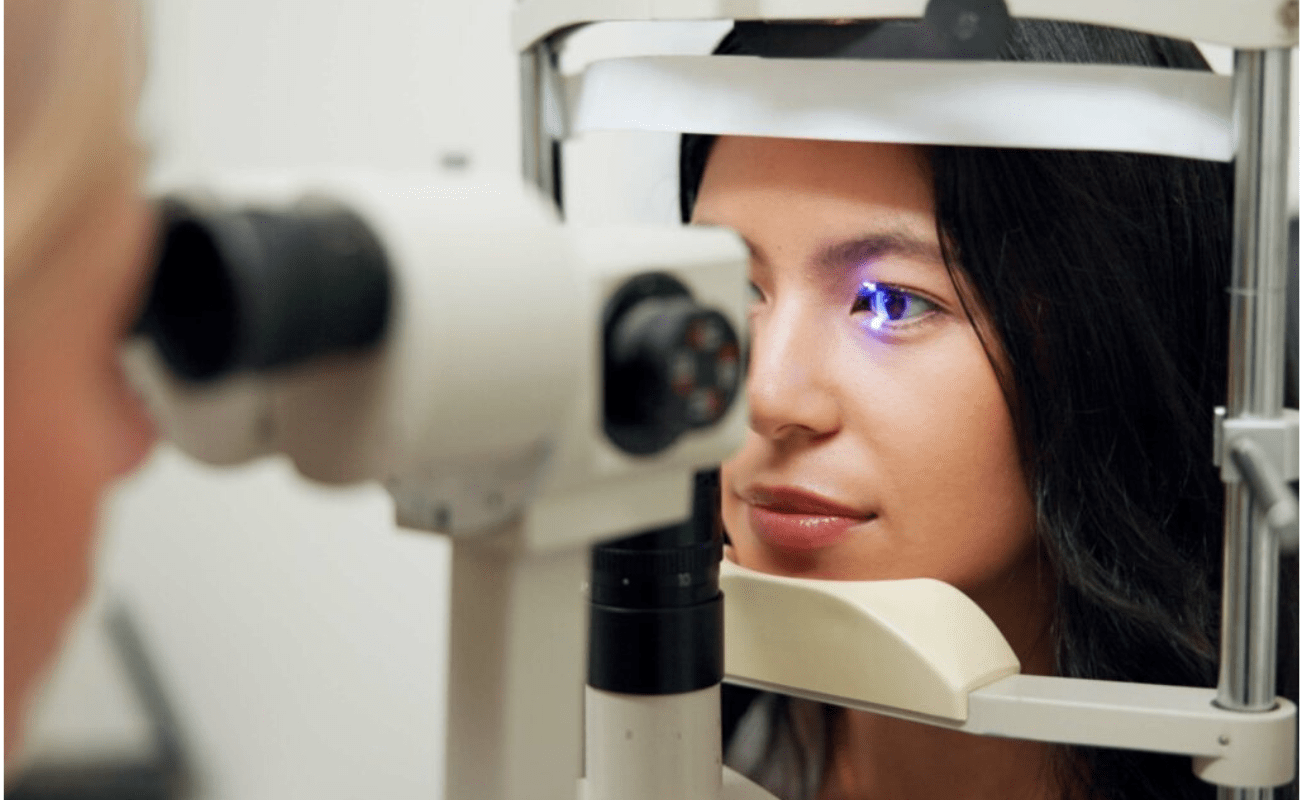
Your eyes play a crucial role in how you experience the world around you. Whether you’re reading, driving, working on a computer, or enjoying time with family and friends, clear vision is essential for daily life. Yet many people only visit an eye doctor when they notice a problem, unaware that several serious eye conditions can develop gradually without causing noticeable symptoms in their early stages.
Regular eye examinations are one of the most effective ways to protect your vision and detect potential issues before they become more serious. Comprehensive eye exams not only assess how well you see but also help identify underlying eye diseases and even certain health conditions that may affect your overall well-being. Prioritizing routine eye care can play a key role in maintaining healthy vision and preventing avoidable vision loss.
Understanding a Comprehensive Eye Exam
What Is a Comprehensive Eye Exam?
A comprehensive eye exam is a detailed evaluation of your vision and overall eye health. Unlike a basic vision screening, it assesses how well your eyes function and identifies potential eye diseases before symptoms appear.
The examination includes various eye exam tests, such as visual acuity testing, refraction assessment, eye pressure measurement, retinal evaluation, and pupil examination.
Comprehensive Eye Exam vs Vision Check
Many people assume a vision screening and a comprehensive eye exam are the same thing. They are not.
A vision screening generally checks:
- Distance vision
- Near vision
- Basic visual performance
A comprehensive eye exam evaluates:
- Visual acuity
- Eye coordination
- Eye pressure
- Retina health
- Optic nerve condition
- Early signs of eye disease
This is why understanding the difference between a comprehensive eye exam vs vision check is so important.
Why Comprehensive Eye Exams Are Important
Early Detection of Eye Diseases
One of the primary reasons comprehensive eye exams matter is early disease detection.
Conditions such as glaucoma, cataracts, diabetic retinopathy, and macular degeneration may progress without noticeable symptoms. Regular examinations can identify these issues before significant vision loss occurs.
According to research published by the U.S. National Library of Medicine, more than 80% of adults aged 50–80 reported having undergone an eye examination within the previous two years, highlighting the recognized importance of routine eye care.
For additional information on eye health recommendations, visit the American Academy of Ophthalmology
Protecting Long-Term Vision
Vision loss caused by many eye diseases can be irreversible. Early diagnosis often allows treatment before permanent damage occurs.
Identifying Underlying Health Conditions
Did you know your eyes can reveal signs of systemic health conditions?
During a comprehensive eye exam, doctors may detect:
- Diabetes
- High blood pressure
- Autoimmune disorders
- High cholesterol
- Neurological conditions
Your eyes often act as a window into your overall health.
What to Expect During a Comprehensive Eye Exam
Medical and Vision History Review
Your ophthalmologist will discuss:
- Current vision concerns
- Medical conditions
- Family history of eye disease
- Current medications
This information helps guide the examination.
Visual Acuity Test
The visual acuity test measures how clearly you can see at various distances using an eye chart.
This is one of the most familiar eye exam tests.
Refraction Assessment
A refraction test determines whether you need glasses or contact lenses and identifies the correct prescription.
Eye Muscle Function Testing
Your doctor evaluates how well your eye muscles work together to ensure proper alignment and coordination.
Peripheral Vision Examination
This test checks your side vision and can help identify neurological issues and glaucoma.
Tonometry for Eye Pressure
Tonometry measures intraocular pressure.
Elevated eye pressure is a significant risk factor for glaucoma, making this an essential component of a glaucoma detection eye exam.
Pupil Dilation Eye Exam
During a pupil dilation eye exam, eye drops enlarge the pupils, allowing a detailed view of internal eye structures.
Dilation helps detect:
- Retinal tears
- Macular degeneration
- Diabetic retinopathy
- Optic nerve abnormalities
Retinal Imaging and Retinal Evaluation
Modern clinics often use advanced retinal imaging eye exam technology to capture high-resolution images of the retina.
These images help monitor changes over time and identify retinal diseases at an early stage.
For more information about retinal diseases and prevention, visit the National Eye Institute:
Common Conditions Detected During Eye Exams
Glaucoma
Known as the “silent thief of sight,” glaucoma can damage the optic nerve without noticeable symptoms.
Cataracts
Cataracts cause clouding of the eye’s natural lens and commonly affect older adults.
Diabetic Retinopathy
People with diabetes should undergo regular eye exams because diabetic retinopathy can lead to severe vision loss.
Macular Degeneration
This condition affects central vision and is one of the leading causes of blindness in older adults.
Retinal Disorders
A comprehensive examination can identify retinal tears, detachments, and vascular abnormalities.
If you are searching for the best retina specialist in dubai, early retinal evaluation can significantly improve treatment outcomes.
How Often Should You Get an Eye Check-Up?
General recommendations include:
- Children: As advised by pediatric eye specialists
- Adults 18–60: Every 1–2 years
- Adults over 60: Annually
- Diabetic patients: At least once every year
Individuals with existing eye conditions may require more frequent examinations.
Benefits of Regular Eye Exams
Regular comprehensive eye exams help:
- Preserve vision
- Detect disease early
- Update prescriptions
- Monitor eye health changes
- Improve quality of life
- Reduce risk of preventable blindness
Think of an eye exam as routine maintenance for your vision—similar to servicing a car before major problems develop.
When Should You Schedule an Eye Exam Immediately?
Seek prompt evaluation if you experience:
- Sudden vision loss
- Eye pain
- Flashes of light
- Floaters
- Double vision
- Redness with discomfort
- Persistent blurred vision
Book Your Eye Examination Today
Your vision deserves expert attention. Whether you need a routine examination, retinal assessment, glaucoma screening, or advanced eye care consultation, timely evaluation can make all the difference.
If you’re considering an optometrist dubai consultation or seeking guidance from an experienced ophthalmologist, schedule your comprehensive eye examination today.
Why Choose Dr. Amit Jain for Your Eye Care in Dubai?
Choosing the right eye specialist is essential for maintaining lifelong vision health.
Dr. Amit Jain offers:
- Extensive ophthalmology expertise
- Advanced diagnostic technology
- Comprehensive retinal evaluation
- Cataract and corneal care
- Personalized treatment plans
- Patient-centered approach
Looking for the best eye specialist in dubai, best eye center in dubai, or expert guidance regarding laser eye surgery dubai options?
Explore comprehensive
FAQs
Q1. What to expect during a comprehensive eye exam?
A comprehensive eye exam includes vision testing, refraction, eye pressure measurement, retinal evaluation, pupil examination, and overall eye health assessment.
Q2. How long does a comprehensive eye exam take?
Most examinations take between 30 and 60 minutes, depending on testing requirements.
Q3. Does pupil dilation affect vision?
Yes. Temporary blurred vision and light sensitivity may occur for several hours.
Q4. Can eye exams detect glaucoma early?
Yes. Eye pressure measurement and optic nerve evaluation are key components of glaucoma detection.
Q5. Are retinal imaging tests necessary?
Retinal imaging provides detailed documentation of retinal health and can assist in early disease detection.
Conclusion
A comprehensive eye exam is far more than a routine vision check. It is a critical tool for detecting eye diseases early, protecting your sight, and identifying broader health concerns before they become serious. Regular eye examinations can help preserve vision, improve quality of life, and provide peace of mind.
Don’t wait for symptoms to appear. Schedule your next comprehensive eye exam and take a proactive step toward lifelong eye health.