
Understanding Changes in Vision After 50
Have you recently noticed that reading road signs feels harder, colors seem duller, or your eyesight appears cloudy even with updated glasses? While some vision changes are a natural part of aging, persistent blurry vision after 50 cataracts could be an important warning sign that should not be ignored.
What Are Cataracts?
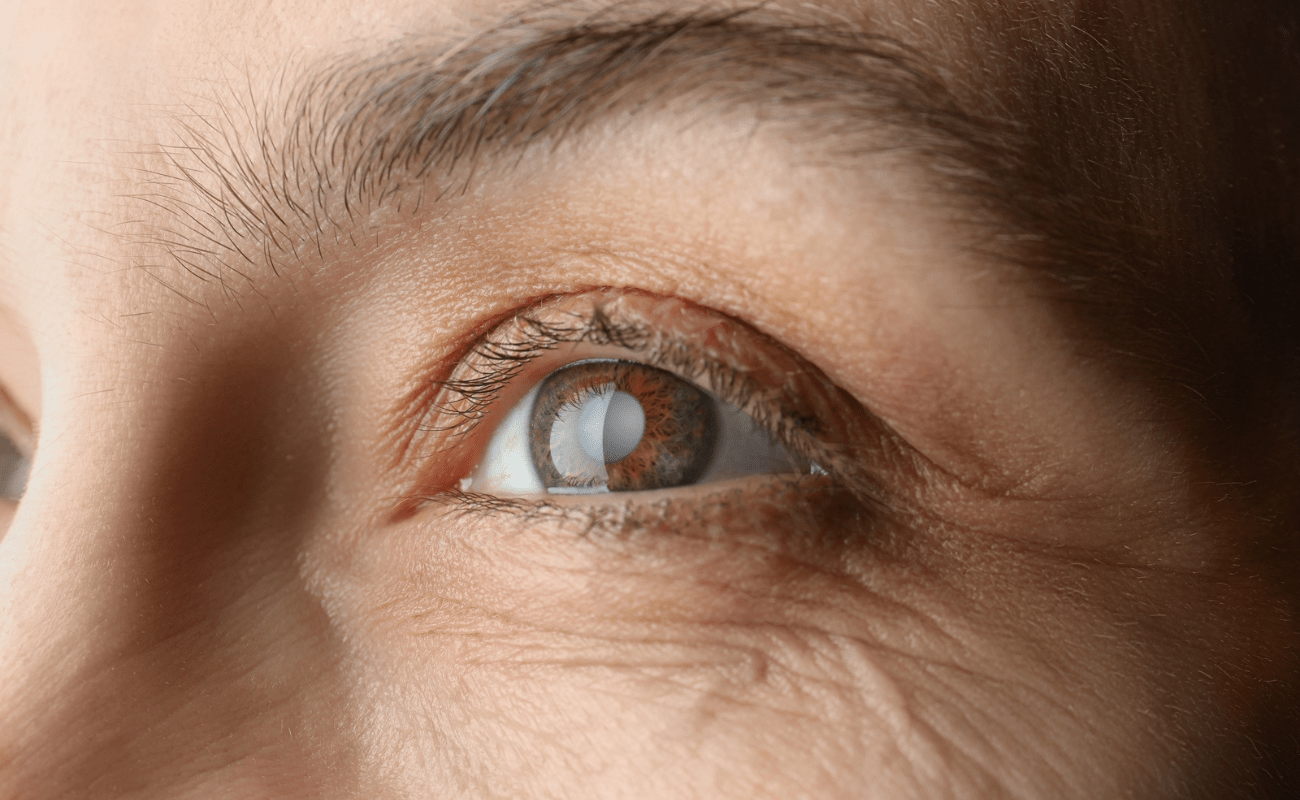
A cataract occurs when the natural lens of the eye becomes cloudy. Normally, the lens is clear and helps focus light onto the retina. As proteins within the lens break down over time, the lens gradually loses its transparency, leading to blurred vision, cloudy vision, and difficulty seeing clearly.
Cataracts are one of the leading causes of visual impairment among adults aged 50 and older worldwide.
Why Cataracts Become More Common With Age
The Natural Aging Process of the Eye
As we age, proteins inside the eye lens begin to clump together. This process often starts around the age of 40 but typically becomes noticeable after age 50 or 60.
The result is vision that may feel as though you’re looking through a foggy window or a thin veil.
Risk Factors That Increase Cataract Development
Several factors can accelerate cataract formation:
- Aging
- Diabetes
- Smoking
- Excessive UV exposure
- Long-term steroid use
- Previous eye injuries
- Family history of cataracts
Common Cataract Symptoms After 50
Recognizing cataract symptoms after 50 early can help preserve vision and improve treatment outcomes.
Blurred Vision
One of the earliest signs is blurred vision that gradually worsens over time.
Cloudy or Foggy Vision
Many people describe cataract vision as looking through a dirty windshield or a layer of fog.
Increased Sensitivity to Light
Bright sunlight or indoor lighting may become uncomfortable.
Halos Around Lights
You may notice glowing rings around headlights, streetlights, or lamps.
Difficulty Seeing at Night
Night driving often becomes challenging due to glare and reduced contrast.
Faded or Yellowed Colors
Colors may appear dull, washed out, or yellowish.
When Is Blurry Vision a Sign of Cataracts?
Not all blurry vision is caused by cataracts. However, blurry vision after 50 cataracts should be considered if:
- Vision worsens gradually
- New glasses do not improve clarity
- You experience glare and halos
- Night vision becomes difficult
- Colors seem faded
If these symptoms occur together, a comprehensive eye examination is strongly recommended.
How Cataracts Affect Daily Life
Cataracts can impact nearly every aspect of daily living:
- Reading books and newspapers
- Driving, especially at night
- Watching television
- Using smartphones and computers
- Recognizing faces
- Enjoying hobbies
What starts as mild cloudiness can eventually interfere with independence and quality of life.
Diagnosing Cataracts
An ophthalmologist can diagnose cataracts through:
- Visual acuity testing
- Dilated eye examination
- Slit-lamp examination
- Retinal assessment
Early diagnosis allows patients to monitor progression and determine the most appropriate treatment timing.
Treatment Options for Cataracts
Lifestyle Adjustments
- Updated prescription glasses
- Brighter lighting
- Anti-glare sunglasses
- Magnifying lenses
However, these measures only provide temporary relief.
Cataract Surgery
When cataracts significantly affect daily activities, surgery becomes the most effective treatment.
Modern cataract surgery involves removing the cloudy lens and replacing it with an artificial intraocular lens (IOL), restoring clearer vision.
What to Expect During Cataract Surgery
Cataract surgery is among the most commonly performed and successful surgical procedures worldwide.
The procedure typically:
- Takes 15–30 minutes.
- Uses local anesthesia.
- Requires no overnight hospital stay.
- Allows patients to return home the same day.
Most individuals notice visual improvement within days.
Recovery After Cataract Surgery
Recovery is generally smooth and predictable.
Patients may experience:
- Mild irritation
- Temporary blurry vision
- Light sensitivity
Most daily activities can be resumed quickly, although complete healing may take several weeks.
Can Cataracts Be Prevented?
While cataracts cannot always be prevented, you can reduce risk by:
- Wearing UV-protective sunglasses
- Managing diabetes effectively
- Quitting smoking
- Eating antioxidant-rich foods
- Scheduling regular eye examinations
Healthy habits support long-term eye health and may slow cataract progression.
When Should You See an Eye Specialist?
Schedule an eye examination if you experience:
- Persistent blurred vision
- Cloudy or foggy vision
- Frequent prescription changes
- Glare sensitivity
- Difficulty driving at night
- Fading color perception
Early evaluation helps identify whether symptoms are related to cataracts or another eye condition.
Ready to Restore Clear Vision?
If you’re experiencing blurry vision after 50 cataracts symptoms, don’t wait for your eyesight to worsen.
A comprehensive eye examination can identify the cause of your vision changes and help determine whether cataract treatment is needed.
Book a consultation today and take the first step toward clearer, sharper vision.
Why Choose Dr. Amit Jain for Cataract Treatment in Dubai?
Choosing the right eye specialist is essential for achieving the best outcomes.
Patients trust Dr. Amit Jain because of:
- Extensive ophthalmology expertise
- Advanced diagnostic technology
- Personalized treatment plans
- Modern surgical techniques
- Patient-focused care
- Comprehensive pre- and post-operative support
Explore treatment options with an experienced cataract surgeon in dubai:
Patients searching for the best cataract surgeon in dubai, cataract dubai, and advanced vision restoration solutions can benefit from expert evaluation and customized care.
FAQs
Q1. Can cataracts start before age 50?
Yes. Protein changes within the lens often begin around age 40, although symptoms usually become noticeable later.
Q2. Are cataracts painful?
No. Cataracts typically develop without pain.
Q3. Can glasses cure cataracts?
No. Glasses may temporarily improve vision but cannot remove cataracts.
Q4. How long does cataract surgery take?
Most procedures are completed within 15–30 minutes.
Q5. Is cataract surgery safe?
Modern cataract surgery is considered highly safe and effective when performed by an experienced ophthalmologist.
Conclusion
Vision changes should never be ignored, especially after the age of 50. While occasional blurry eyesight may have several causes, persistent blurred, cloudy, or foggy vision can indicate developing cataracts.
Recognizing cataract symptoms after 50 early allows timely diagnosis and treatment, helping you maintain independence and quality of life. If you are noticing blurry vision after 50 cataracts warning signs, consult an experienced ophthalmologist to protect and restore your vision.