
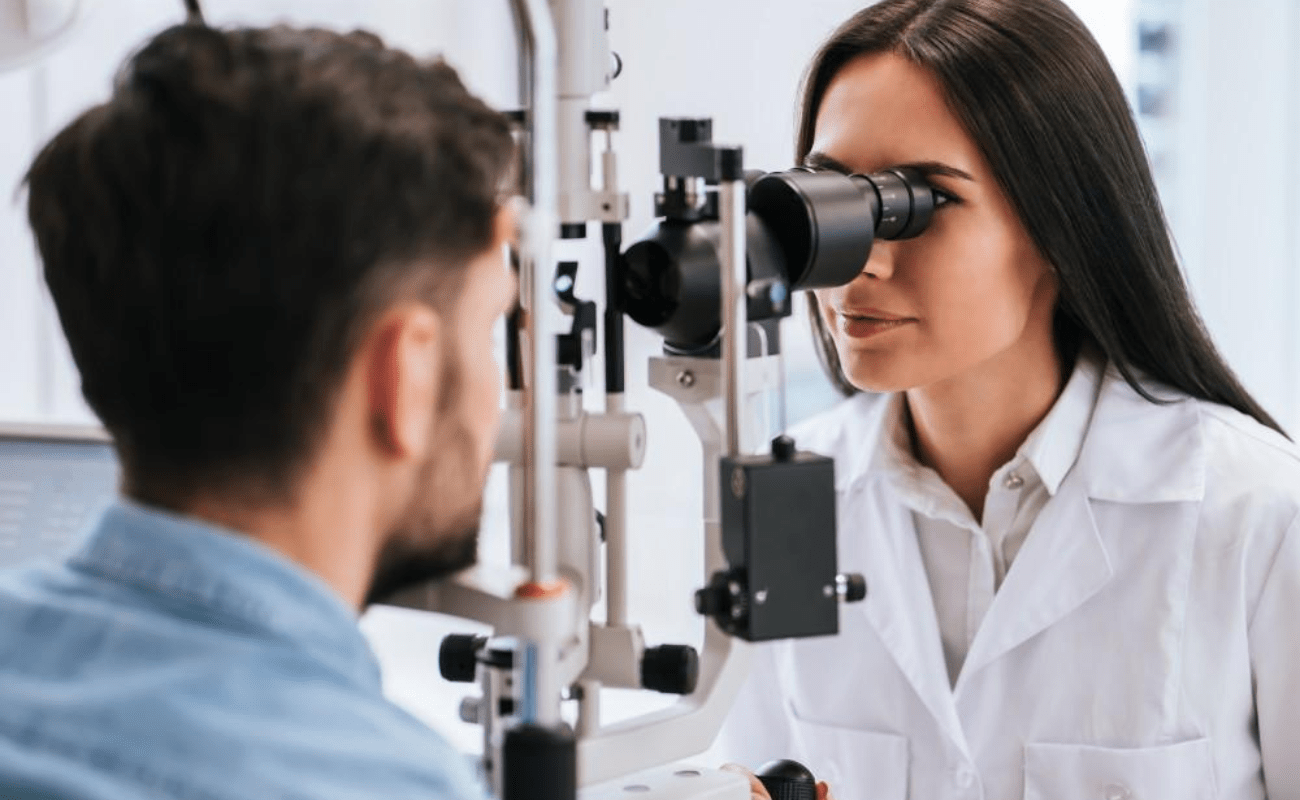
Why Your Eyes Deserve Regular Attention
Most people visit a doctor when something feels wrong. But when it comes to your eyes, waiting for symptoms can be risky. Many serious eye conditions develop silently, causing damage long before you notice any changes in vision.
At Dr. Amit Jain Dubai, patients receive advanced diagnostic care focused on preserving long-term vision and overall eye health through comprehensive eye evaluations.
Learn more about our eye exam dubai services and patient-centered care
What Is a Comprehensive Eye Exam?
A comprehensive eye exam is a detailed evaluation of your vision and overall eye health. Unlike a simple vision screening, it involves multiple diagnostic tests designed to assess how well your eyes function and detect eye diseases at their earliest stages.
When patients search for a comprehensive eye exam about what to expect, they are often surprised to learn that these examinations evaluate much more than the need for glasses or contact lenses.
A comprehensive exam can help identify vision problems, eye diseases, and even signs of certain systemic health conditions.
Why Comprehensive Eye Exams Matter
Many eye conditions do not cause symptoms in their early stages.
This is why comprehensive eye exams matter has become one of the most important questions in preventive eye care.
Regular examinations help with:
- Early detection of eye disease
- Prevention of vision loss
- Monitoring prescription changes
- Detecting systemic health issues
- Maintaining long-term eye health
According to the Centers for Disease Control and Prevention (CDC) Eye Health Resource, comprehensive dilated eye exams play a crucial role in identifying eye diseases before noticeable vision loss occurs.
Who Should Get Regular Eye Exams?
Routine eye examinations are important for:
- Children
- Adults
- Seniors
- Individuals with diabetes
- People with a family history of eye disease
- Contact lens wearers
Even individuals with perfect vision can benefit from regular evaluations.
Comprehensive Eye Exam: What to Expect
Understanding what happens during a comprehensive eye exam can help reduce anxiety and prepare you for your appointment.
Medical and Vision History Review
Your eye specialist will discuss:
- Current vision concerns
- Medical history
- Medications
- Family eye health history
- Lifestyle factors
Visual Acuity Test
This familiar test measures how clearly you can see at various distances using an eye chart.
Refraction Test
A refraction test determines whether corrective lenses are needed and identifies the appropriate prescription.
Eye Muscle Function Assessment
This test evaluates how effectively your eyes work together and track moving objects.
Pupil Response Evaluation
The doctor examines how your pupils respond to light and assesses neurological eye function.
Slit Lamp Examination
A slit lamp microscope provides a magnified view of:
- Cornea
- Iris
- Lens
- Eyelids
- Conjunctiva
This examination helps detect abnormalities and disease.
Tonometry Eye Exam
Tonometry measures intraocular pressure and helps screen for glaucoma.
Because glaucoma can develop without symptoms, this test is a valuable part of preventive eye care.
Comprehensive Dilated Eye Exam
Eye drops are used to widen the pupils, allowing a detailed view of the retina and optic nerve.
A comprehensive dilated eye exam is one of the most effective ways to detect sight-threatening conditions before vision loss occurs.
What Can a Comprehensive Eye Exam Detect?
A comprehensive examination can reveal:
- Refractive errors
- Eye infections
- Retinal disorders
- Glaucoma
- Cataracts
- Macular degeneration
- Diabetic eye disease
- High blood pressure changes
- Diabetes-related complications
Many patients are surprised to learn that the eyes can provide clues about overall health.
Early Detection of Eye Diseases
Glaucoma
Often called the “silent thief of sight,” glaucoma can damage the optic nerve without noticeable symptoms.
Cataracts
Cataracts gradually cloud the natural lens, causing blurry and foggy vision.
Macular Degeneration
Age-related macular degeneration affects central vision and becomes more common with age.
Diabetic Retinopathy
Early diagnosis is critical because timely treatment can significantly reduce the risk of vision loss.
How Eye Exams Reveal More Than Eye Problems
Your eyes are the only place where blood vessels and nerves can be directly observed without surgery.
A comprehensive eye exam may reveal signs of:
- Diabetes
- Hypertension
- Autoimmune disorders
- Neurological conditions
- Vascular diseases
According to All About Vision Eye Exam Guide eye examinations can sometimes identify health issues before symptoms appear elsewhere in the body.
How Often Should You Have an Eye Exam?
General recommendations include:
- Children: As advised by an eye specialist
- Adults aged 18–60: Every 1–2 years
- Adults over 60: Annually
- Diabetic patients: As recommended by their ophthalmologist
Your individual schedule may vary depending on your risk factors.
Preparing for Your Eye Appointment
To get the most from your visit:
- Bring current glasses or contact lenses
- Carry a medication list
- Prepare questions about vision concerns
- Arrange transportation if dilation is planned
A little preparation helps ensure a smooth experience.
Protect Your Vision Before Problems Start
Healthy vision is one of your most valuable assets.
Regular comprehensive eye exams provide the opportunity to identify issues before they affect your daily life. Whether you wear glasses or have perfect vision, preventive eye care remains essential.
Schedule your comprehensive eye examination today and take a proactive step toward protecting your sight.
Latest Advances in Keratoconus Treatment in 2026
The field of keratoconus management continues to evolve rapidly.
Recent innovations include:
- Epithelium-on cross-linking technologies
- Customized cross-linking protocols
- Enhanced corneal imaging systems
- Combined cross-linking and refractive procedures
- Emerging regenerative corneal therapies
Recent developments highlighted by the FDA approval announcement for Epioxa suggest that incision-free treatment options may further expand future care possibilities.
Is Corneal Cross-Linking a Permanent Solution?
For many patients, corneal cross-linking provides long-term stabilization.
However, outcomes depend on:
- Age at treatment
- Disease severity
- Corneal thickness
- Individual healing response
Regular follow-up examinations remain important after treatment.
Who Is a Good Candidate for Keratoconus Treatment?
You may benefit from treatment if:
- Your keratoconus is progressing
- Your prescription changes frequently
- Corneal topography shows worsening shape changes
- Vision is becoming increasingly distorted
A comprehensive evaluation helps determine the most appropriate treatment plan.
Living Successfully With Keratoconus
Many patients continue to enjoy active, productive lives after diagnosis.
Helpful strategies include:
- Following treatment recommendations
- Avoiding eye rubbing
- Attending regular eye examinations
- Protecting eyes from excessive irritation
- Using prescribed vision correction devices
With proper management, most individuals maintain functional vision for many years.
Take the Next Step Toward Clearer Vision
If you’re experiencing distorted vision, frequent prescription changes, or have been diagnosed with keratoconus, early intervention can make a significant difference.
Modern keratoconus treatment options 2026 offer more possibilities than ever before to stabilize the condition and preserve long-term vision.
Schedule a consultation today to explore the most suitable treatment approach for your eyes.
Why Choose Dr. Amit Jain for Your Eye Examination?
Patients trustDr. Amit Jain for comprehensive vision care because of:
- Advanced diagnostic technology
- Thorough eye health assessments
- Personalized treatment recommendations
- Expertise across a wide range of eye conditions
- Patient-focused approach
- Modern ophthalmology standards
Learn more about our trusted eye center dubai and comprehensive eye care services:
Whether you need a routine eye checkup, vision assessment, or advanced diagnostic evaluation, expert care can help safeguard your vision for years to come.
FAQs
Q1. How long does a comprehensive eye exam take?
Most appointments take between 30 and 60 minutes, depending on the tests required.
Q2. Are comprehensive eye exams painful?
No. The tests are non-invasive and generally comfortable.
Q3. Do I always need dilation?
Not always, but dilation often provides the most detailed view of retinal health.
Q4. Can eye exams detect diabetes?
Yes. Eye examinations may reveal diabetic-related retinal changes.
Q5. Can glaucoma be detected during a routine eye exam?
Yes. Tonometry and optic nerve evaluation help identify glaucoma early.
Conclusion
Understanding a comprehensive eye exam about what to expect can make your next appointment feel more comfortable and meaningful. These examinations do far more than determine whether you need glasses; they help detect eye diseases early, monitor vision changes, and even uncover signs of broader health conditions.
Because many eye diseases develop without symptoms, regular examinations remain one of the most effective ways to protect your eyesight. Prioritizing preventive eye care today can help preserve healthy vision for the future.